Lingual Braces: Invisible Alternative From Your Orthodontist
What to Anticipate During Your Initial Appointment With an Orthodontist
Visiting an orthodontist for the initial time can be a pivotal minute in dental treatment. Individuals generally encounter an organized process that consists of examinations, conversations, and therapy planning. From completing needed types to going through diagnostic imaging, each action is designed to customize like specific needs - Orthodontist. Understanding this procedure can assist reduce any type of problems. What takes place next might form the program of therapy and overall dental wellness, making it essential to recognize what to anticipate
What to Bring to Your Appointment
When attending the initial appointment with an orthodontist, it is crucial to come prepared. Clients should bring a list of any type of drugs they are presently taking, including dosages, as this info is essential for the orthodontist's analysis. Furthermore, it is suggested to have insurance coverage information conveniently available, along with any referrals from a general dental practitioner. Brand-new clients ought to likewise bring a valid type of recognition, such as a driver's certificate or insurance card. Ultimately, recording any specific concerns or inquiries in advance can assist guarantee an efficient discussion throughout the consultation, establishing the phase for a positive orthodontic experience.
The Initial Introduction and Check-In Process
Upon arriving at the orthodontic office, patients generally sign in at the function workdesk. A personnel welcomes them comfortably, often requesting their name and confirming consultation details. People might be required to fill up out types regarding their case history and insurance policy details. This preliminary interaction sets a welcoming tone, assisting to alleviate any kind of nerves. Once examined in, individuals may be directed to a waiting area up until their consultation begins - Cumming GA Orthodontics. During this time around, the personnel guarantees a comfortable atmosphere, usually supplying publications or amusement choices to aid waste time prior to the orthodontic evaluation
The Orthodontic Evaluation
During the orthodontic exam, the specialist carries out a first evaluation to review the individual's facial and oral structure. This procedure commonly includes taking X-rays and imaging to get a complete sight of the teeth and jaw placement. These vital actions assist the orthodontist establish an efficient treatment strategy tailored to the person's needs.
Preliminary Assessment Process
As the individual goes into the orthodontist's workplace, the initial analysis procedure begins with an in-depth examination made to review the placement of teeth and the overall dental structure. The orthodontist carefully checks the teeth for crowding, spacing, and bite disparities. Additionally, they assess the jaw's placement and any kind of prospective useful concerns. The orthodontist may likewise ask about the client's oral background, consisting of existing worries and previous therapies. This comprehensive assessment aids in determining the most appropriate therapy plan tailored to the person's details needs. Establishing a clear understanding of the patient's oral wellness is vital for reliable orthodontic treatment.
X-rays and Imaging
Following the first analysis, X-rays and imaging play a crucial duty in the orthodontic assessment. These diagnostic tools allow the orthodontist to imagine the underlying structures of the teeth and jaws, aiding in the recognition of issues not visible throughout a health examination. Common imaging techniques consist of cephalometric radiographs and breathtaking x-rays, which offer extensive sights of skeletal and dental partnerships. This details aids the orthodontist establish a customized treatment strategy. Furthermore, electronic scans might be made use of to develop 3D versions of the individual's teeth, improving therapy precision and effectiveness. Generally, these imaging methods are essential for effective orthodontic care.
Analysis Records and Imaging
Before developing a treatment strategy, orthodontists count on thorough diagnostic records and imaging to assess a client's oral health and wellness and alignment. This process usually includes getting detailed pictures of the teeth and face, along with dimensions of the oral arch and bite. Additionally, orthodontists might make use of electronic scans or impacts to produce precise representations of the client's mouth. These diagnostic records help determine certain alignment issues and help in planning effective treatment methods. By very carefully evaluating this info, orthodontists can ensure a tailored method that attends to specific demands and advertises excellent end results for each and every person.
Conversation of Treatment Alternatives
Throughout the discussion of treatment options, the orthodontist presents various types of braces and clear aligners tailored to the client's demands. Variables affecting therapy duration, such as the extent of the situation and patient compliance, are also addressed. This informative dialogue helps establish practical assumptions for the orthodontic trip in advance.
Kinds of Braces
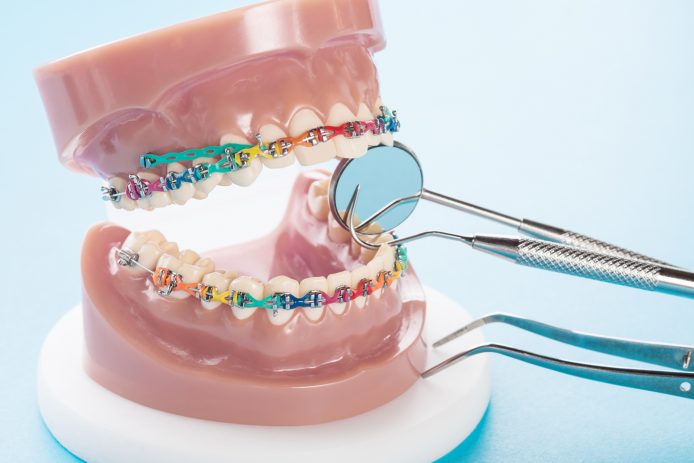
Dental braces come in numerous types, each Orthodontist In Cumming GA designed to address particular orthodontic demands and client preferences. Typical metal dental braces are the most usual, making use of stainless-steel braces and wires for reliable tooth movement. Ceramic braces use a much more very discreet option, using tooth-colored products that blend with the teeth. Lingual dental braces are put on the back of the teeth, making them essentially unnoticeable (Orthodontics). Self-ligating braces streamline the adjustment process, reducing the regularity of visits. For those looking for comfort, clear plastic dental braces supply a less recognizable alternative. Each kind of brace has special benefits, enabling orthodontists to tailor therapy to individual demands
Clear Aligners Described
Clear aligners represent a modern-day choice to traditional braces, interesting those who prioritize aesthetic appeals and comfort in their orthodontic treatment. These custom-made, transparent trays gradually change teeth into the preferred setting, supplying a very discreet option for both teens and grownups. Individuals generally obtain a collection of aligners, each worn for about 2 weeks prior to switching to the next in the series. Clear aligners are detachable, permitting less complicated maintenance of dental health and versatility throughout meals. Successful therapy requires patient compliance in using the aligners for the recommended 20 to 22 hours daily to accomplish ideal results.
Treatment Duration Aspects
Several elements affect the period of orthodontic therapy, impacting the length of time clients will certainly require to use their braces or aligners. The complexity of the instance is important; serious imbalance frequently needs longer treatment than moderate cases. Individual age also plays a function, as more youthful individuals might experience much faster change periods. Conformity with the orthodontist's guidelines, consisting of putting on devices as routed, directly impacts treatment duration. Additionally, the sort of orthodontic device-- standard dental braces versus clear aligners-- can cause variants in time needed. Routine follow-up visits and the body's feedback to therapy additional influence the overall timeline for achieving desired outcomes.
Addressing Your Inquiries
What should one anticipate during their first visit to an orthodontist? Throughout this consultation, the orthodontist will certainly take time to resolve any type of inquiries or problems the person might have. This is a chance to gain quality on the therapy process, consisting of options offered and anticipated end results. The orthodontist motivates individuals to inquire about the period of treatment, potential discomfort, and treatment instructions. In addition, they may clarify the importance of maintaining dental hygiene throughout the orthodontic procedure. On the whole, this session intends to ensure the individual feels informed and comfy moving onward with their orthodontic journey.
Next Actions and Arranging Follow-Up Consultations
After the preliminary assessment, the orthodontist will certainly describe the following action in the therapy procedure, consisting of the scheduling of follow-up consultations. Typically, these visits will certainly be spaced every four to 6 weeks, allowing the orthodontist to keep an eye on progress and make required changes. Clients will certainly receive a treatment strategy detailing the duration and goals of their orthodontic trip. It is critical for individuals to stick to the schedule to ensure ideal results. Furthermore, the orthodontist might give instructions on care and maintenance, which should be followed carefully in between visits to promote efficient therapy and keep dental wellness.
Regularly Asked Inquiries
The Length Of Time Will My First Appointment Usually Last?

Can I Bring a Member Of The Family or Close Friend for Support?
Yes, people can bring a household participant or buddy for assistance during their consultation - Braces In Cumming GA. This can aid relieve stress and anxiety and offer comfort, allowing clients to really feel extra relaxed and taken part in their orthodontic assessment
Will I Experience Any Kind Of Pain Throughout the Assessment?
Throughout the exam, pain is usually minimal. Most individuals report small pressure or sensitivity, particularly if modifications are required. In general, the experience is workable, and any discomfort generally subsides shortly after the appointment concludes.
Exist Age Limitations for Beginning Orthodontic Therapy?

There are no stringent age restrictions for starting orthodontic therapy (Orthodontics). Early evaluations are valuable, normally around age 7, enabling for timely intervention. Therapy can successfully take place at any type of age, depending upon individual oral needs
What if I Have Oral Anxiousness or Anxiety?
Individuals experiencing dental anxiousness or anxiety may profit from discussing their worry about the orthodontist. Lots of methods provide calming strategies, sedation choices, or helpful atmospheres to help individuals feel much more comfy throughout treatment.
The orthodontist may also ask concerning the client's oral background, including previous therapies and existing concerns. Before developing a therapy plan, orthodontists rely on extensive analysis records and imaging to examine a person's oral health and alignment. During the discussion of treatment choices, the orthodontist offers different types of braces and clear aligners tailored to the individual's requirements. Person age additionally plays a duty, as more youthful people might experience much faster adjustment durations. The orthodontist encourages clients to ask concerning the duration of treatment, potential discomfort, and treatment guidelines.